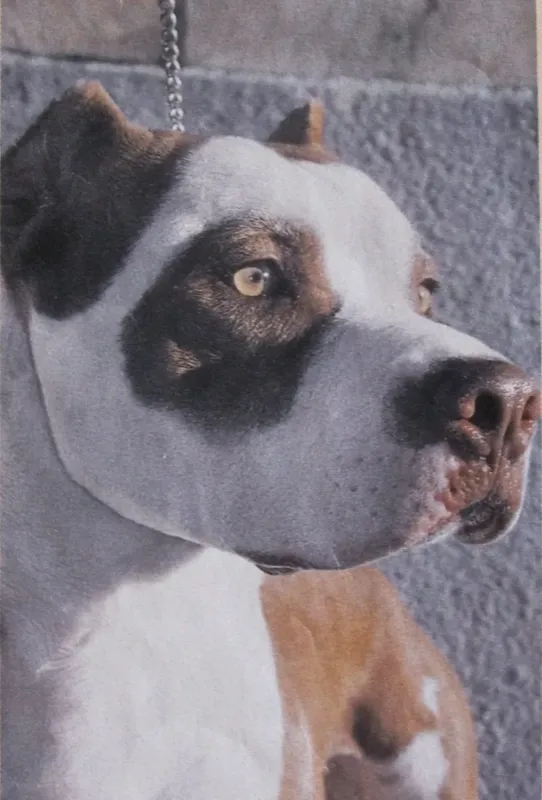
Why this breed matters
We call it what people call it. 'Pit Bull' is what 95% of owners say. The AKC doesn't recognize the breed — they recognize 'American Staffordshire Terrier.' The UKC recognizes 'American Pit Bull Terrier.' We're not here to litigate breed politics. Pit Bulls were originally bred for bull-baiting and later dog fighting, then became working dogs and family companions. 'Petey' from The Little Rascals was a pit. They were once called 'nanny dogs.' The breed's history is complicated, and so is its present.
Ownership reality
Here's the truth: Pit Bulls have strong opinions about other dogs. Not all of them, but enough that dog selectivity is a breed trait you need to take seriously. They need socialization, training, and management around other dogs. The human aggression reputation is largely media-driven — temperament tests show them passing at higher rates than many 'normal' breeds. But the real-world consequences matter: housing is harder (breed restrictions), insurance is more expensive, and people will cross the street. If you're okay navigating that, you get an athletic, loyal, people-loving dog.
The verdict
Commit if
You want a loyal, athletic companion. You'll invest in training and socialization. You can handle breed stigma (housing, insurance). You're experienced with dog-selective breeds.
Skip if
You have multiple other dogs already. You can't handle public judgment. You're in housing with breed restrictions. You're a first-time dog owner.
Temperament
- → Loyal and people-oriented
- → Confident and athletic
- → Can be dog-selective
- → Eager to please
- → Strong prey drive
Common health issues
- ⚠ Hip dysplasia
- ⚠ Allergies (skin and environmental)
- ⚠ Hypothyroidism
- ⚠ Heart disease
- ⚠ Cataracts
- ⚠ Cerebellar ataxia
Sources
- UKC Breed Standard · 2026-02-04
- ASPCA Position Statement · 2026-02-04
Specifications
| Height | 17-21 inches |
| Weight | 30-65 lbs |
| Lifespan | 12-14 years |
| Exercise | High |
| Grooming | Low (minimal maintenance) |
| Trainability | Eager to Please |
| Good with Kids | Yes |
| Apartment Friendly | Yes |
About Terrier Group
Breeds developed to hunt vermin — rats, foxes, badgers, and anything else that lives underground. The name comes from 'terra' (earth) because these do...
View all Terrier Group breeds →